
Saša Milivojev – POETIC REBELLION: THE POET IS NOT A ROOF TO BE DEMOLISHED!

Saša Milivojev
Saša Milivojev
Saša Milivojev
POETIC REBELLION: THE POET IS NOT A ROOF TO BE DEMOLISHED!

The poet is a slap in the face of the system.
The poet is proof that man is not a machine,
that man is not merchandise,
that the soul is not dead,
that freedom is not an illusion.
The poet is proof that truth cannot be concealed.
And that is why you fear him.
For the poet cannot be programmed.
He cannot be bought.
He cannot be silenced.

The poet is a shock to the slumbering.
He is a blow to the face of falsehood.
He is a reminder that God did not create man to be mute, but to speak.
And when he speaks—the world trembles.
Not because the poet holds power, but because the poet holds truth.
His silence is like a grave—in it resounds everything you tried to hide.

The system demands obedience, but the poet offers resistance.
The system demands silence, but the poet demands justice.
The system demands profit, but the poet offers pain.
The system demands oblivion, but the poet offers memory.

The poet is not a roof you can tear down.
He is a pillar you cannot break.
He is a root you cannot uproot.
For the poet does not belong to the earth—he belongs to language.
And language is older than all your laws, all your false diplomas, all your offices and institutions.

The poet is not noise; he is the whisper in the bones of the world.
The poet does not ask permission to speak—he himself is permission for language to be freed.
He does not seek an audience—the audience finds him, for truth carves its own path, like water through stone.

The poet is a wound that refuses to heal, for in that wound the world sees itself.
The poet is a mirror that does not lie—even when shattered, each fragment still reflects.
The poet is a flame that burns to illuminate what you hide in darkness.

You cannot imprison him in a book—for a book opens.
You cannot imprison him in a cell—for the word passes through walls.
You cannot imprison him in silence—for silence becomes song.

The poet is resistance, for he refuses to be a commodity,
refuses to be decoration,
refuses to be obedient.

He does not write to be loved—he writes so the world may be unveiled.
He does not write to be celebrated—he writes so truth may be spoken.
He does not write to be safe—he writes so freedom may be possible.
He does not write to be pleasing.
He writes to be true.
And truth is always unsettling.
Truth is always painful.

The poet offers both serenity and unrest,
for only from unrest is freedom born.
Only from pain is truth born.
Only from resistance is man born.

The poet is a shadow that cannot be erased.
He is a trace in time.
You may ignore him, but you cannot erase him.
You may persecute him, but you cannot silence him.
You may imprison him, but he still flies.

The poet does not offer illusion—he offers a mirror.
He does not offer comfort—he offers truth.
And that is why he is persecuted.
That is why he is censored.
That is why he is ignored.

The poet is a shock to those who believe power eternal.
For the poet reveals that power lasts only as long as fear endures.
And the poet does not fear.
The poet has walked through hell and returned with words.
The poet has seen the face of darkness and chosen to describe it.
The poet has touched the abyss and chosen to transform it into verse against which you are powerless.
For the poet is God’s Messenger.
Do not touch him.
Through the poet, God sends you His messages.
Copyright © by Saša Milivojev

SAŠA MILIVOJEV: RESISTANCE – THE POET CANNOT BE SILENCED! THE POET IS A SYSTEM GLITCH, AN ERROR IN THE ALGORITHM.

Saša Milivojev
Saša Milivojev

Saša Milivojev
RESISTANCE – THE POET CANNOT BE SILENCED! THE POET IS A SYSTEM GLITCH, AN ERROR IN THE ALGORITHM.


I belong to no one. I owe nothing to anyone. I serve no one. My words are not bought with honorariums. They come from within me — from pain, from truth, from freedom.

The persecution I endure is not punishment — it is the consequence of freedom. Because a free man is the most dangerous threat to a system that feeds on obedience.

I will not retreat. I will not apologize. I will not justify myself. My very existence is proof that a poet cannot be silenced.

My presence in global media, in more than 20 languages, without a single connection, without a single recommendation, without a single aunt in the service — that is my answer.

I will not name those who persecute me. I will not give them publicity. But they will know they’ve been seen. They will know they’ve been read. They will know the poet has recognized them.
And you — who love me, who read my verses, who have wept over my words — you are my shield. You are my reason to continue.

And when I am gone — my words will remain. And when they silence me — my poems will speak. And when they erase me — my name will appear where they cannot control it. Because a poet never dies. He transforms into language. Into memory. Into resistance. For centuries.

I will not justify my freedom. I will not apologize for my truth. I will not bow before false authorities, purchased diplomas, and fabricated biographies.

My origin is the word. My wealth is thought. My diploma is the tear of an unknown reader. I belong to no one — only to poetry. I belong neither to the service nor the system. I belong only to language — and it has never betrayed me.
That is why you cannot silence me. That is why you cannot blackmail me. That is why you cannot buy me.

You may not see me on your screens. You may not hear me in your broadcasts. You may not find me in your institutions.
But you will find me in the verse — the one that aches and lingers. In the sentence that exposes. In the silence that speaks louder than your speeches.
And when the day of reckoning comes — when the slanderers face the mirror, when fake biographies collapse, when diplomas turn to ash — the poet will stand tall.
Not as a judge. Not as a revenger. But as a witness of time.

A poet is not society’s decoration. He is its conscience. Its wound. Its unrest.
A poet does not seek applause. He seeks truth. And when he finds it — he does not ask for permission. He speaks it.
That is why he is persecuted. That is why he is censored. That is why he is ignored.
Because the poet does not conform. He does not belong. He does not obey.
In a world where everything is measured by profit, the poet is a loss — because he brings no money, only discomfort. He brings questions. He brings the mirror. And he influences Judgment.

The poet does not need to shout. His silence echoes louder than your speeches.
His word — when sincere — dismantles constructs, unmasks the masked, separates truth from lies, sifts wheat from chaff.
That is why the poet does not appeal to office. He does not appeal to party. He does not appeal to service. He appeals to the soul.
And when that soul speaks — the world shifts.
Maybe not immediately. Maybe not loudly. But inevitably.
Because the poet does not write for the moment. He writes for eternity.
And when he is erased from programs, from broadcasts, from institutions — he remains in verse. In memory. In the hearts of those who wept over his words.
That is a power you cannot control. That is a presence you cannot erase.
That is the poet.

The poet is a threat. Not because he carries weapons — but because he carries truth.

In a world where lies are printed, broadcast, copied, and signed — the poet is a system glitch. An error in the algorithm. A virus in the matrix.
You cannot silence him — because he does not speak your language.
You cannot buy him — because he does not measure in your currencies.
You cannot frighten him — because he has already walked through hell.

The poet is the one who has seen the face of darkness — and chose to write.
Not for fame. Not for money. Not for position. But to remain human.
And that is what frightens you most.
Because the poet does not ask for permission to exist.
He exists in spite of everything.
In spite of blockades. In spite of censorship. In spite of threats.
And when you erase him from your programs — he will appear in dreams.
And when you shut the doors — he will enter through verse.
And when you turn off the light — he will write in the dark.
Because the poet does not need light to see. He burns from within.
And that fire cannot be extinguished.
It cannot be controlled.
It cannot be explained.
It can only be felt.
It can only be feared.
It can only be respected.

So do not touch me.
Not because I am powerful — but because I am defiant.
Not because I have protection — but because I have truth.
And truth, once spoken, does not go back.
It does not retreat.
It does not apologize.
It does not forget.
It remains.
Like a painful, unhealable wound.


Copyright © by Saša Milivojev

Saša Milivojev : A CHALICE OF GORE !

Saša Milivojev / 2021
Saša Milivojev / 2021 / Photographer: Tarlan Bayramov

Saša Milivojev

A CHALICE OF GORE

Silence bites
Below school’s stairs
Trickling tears of fervent gore
From thy brethren’s veins
Their cups to the rim they pour

All is shattered in the blast
Heavens echoing with silence
Dracula is licking his lips
Threading fingers through their tears
Pouring for his laughing friends

Ask why, if you dare,
on your blood they’re feasting
you may lose your ears
the screwdriver your skull may be piercing

Chainsaw by the school
Truckloads of dead bodies
Buckets of ice of kidneys galore
Bloody lakes bear witness

Yet the World ‘s watching
Mercilessly

My torn heart
Still is beating
While a crow my heart is eating!

In that chalice of gore
Flows all evil of the world
In it glisten child’s eyes innocent
Shattered by the blitz

Voiceless stone
Sing of malice
Of the stake
Of the rope
Never will it pass
Our torment’s toll
Rivers of blood will forever flow


Saša Milivojev

Translated and recited by Ljubica Yentl Tinska

Saša Milivojev : 2021

Saša Milivojev : 2021

SAŠA MILIVOJEV 2021

Photographer: Tarlan Bayramov

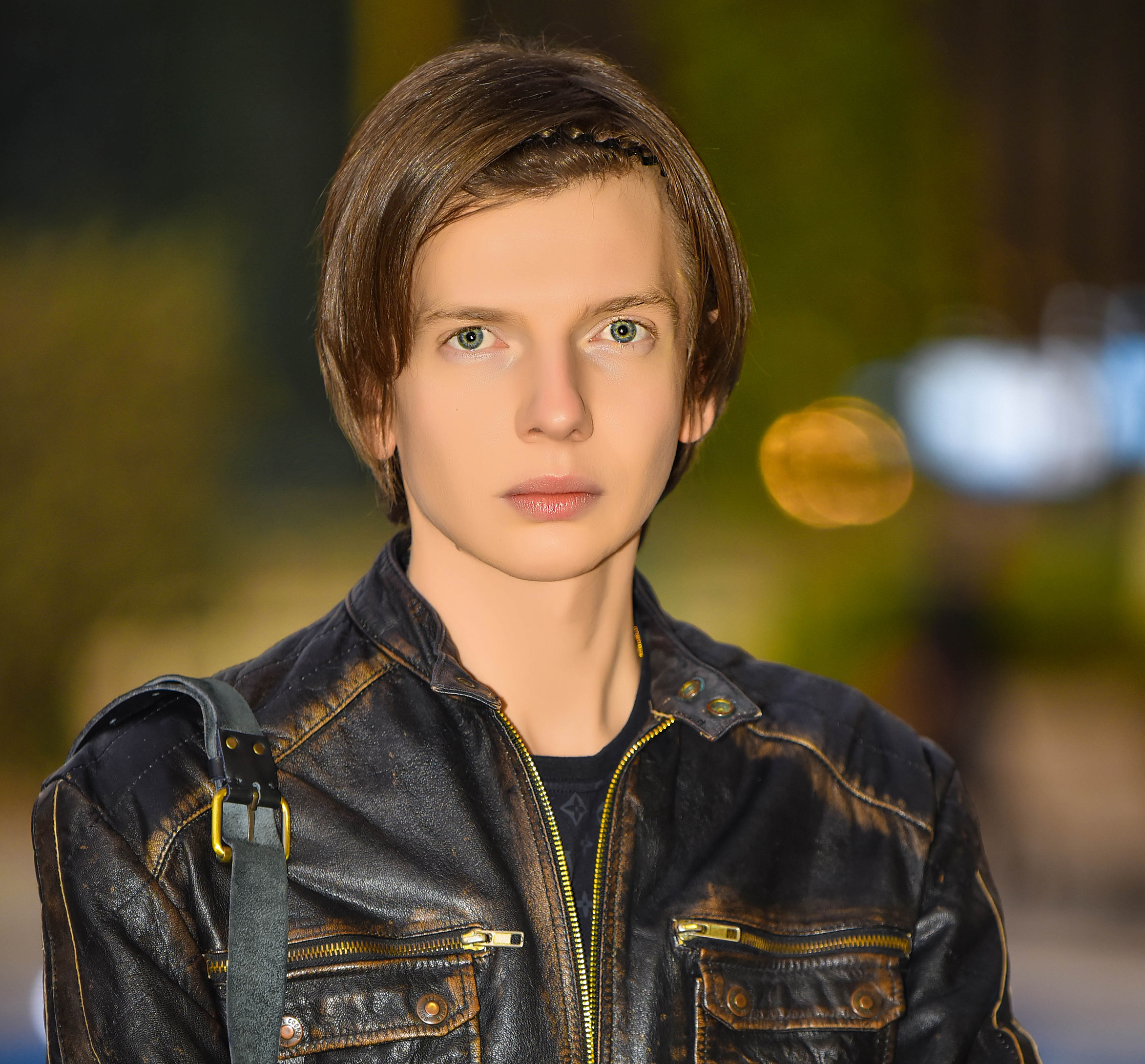
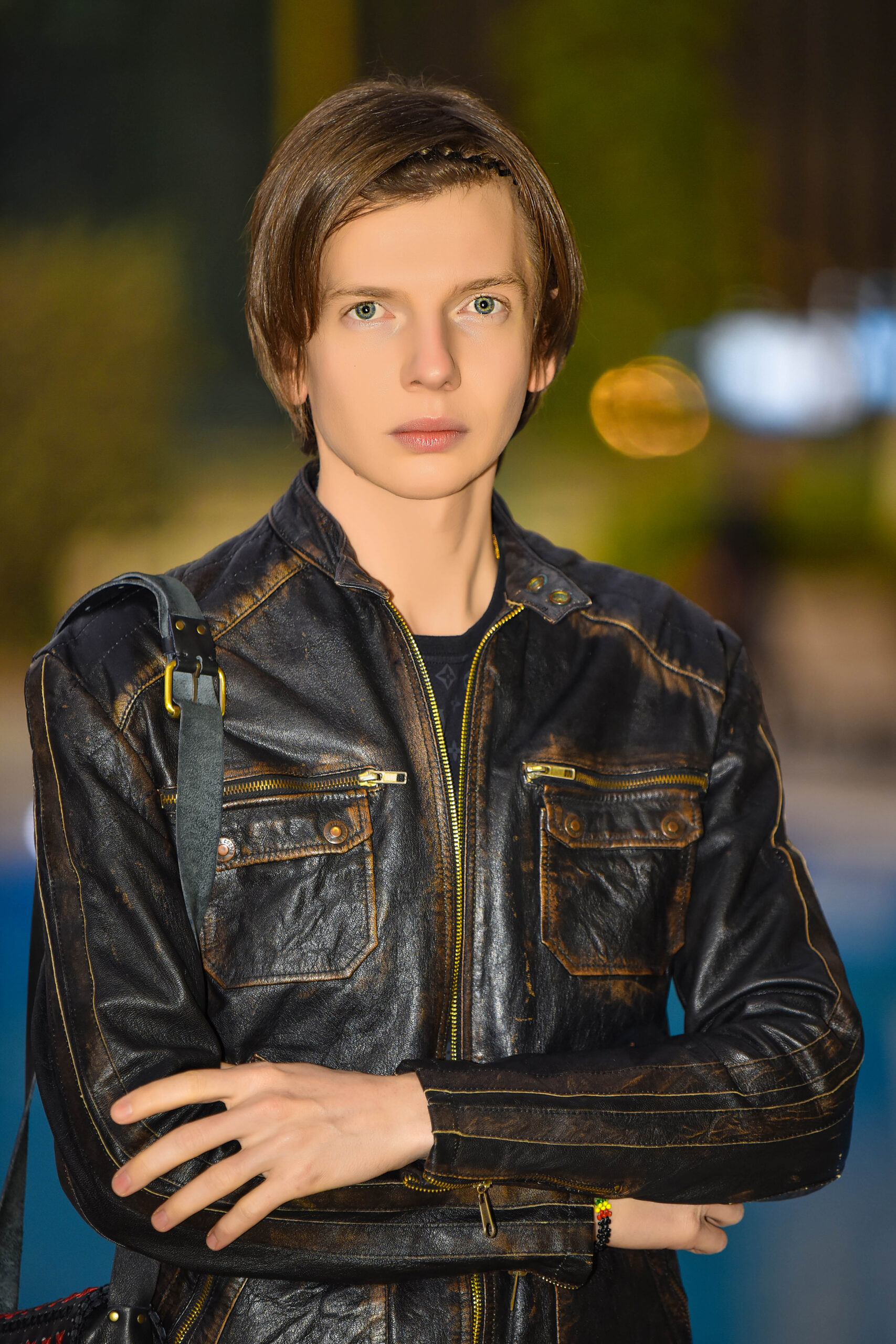
Saša Milivojev is a famous writer, poet, journalist columnist and political analyst… One of the most read columnists in Serbia, he is the author of five books, and numerous columns published in various daily newspapers. He is the author of the novel „The Boy from the Yellow House“ and of political speeches. His work has been translated into around twenty languages across the world.